
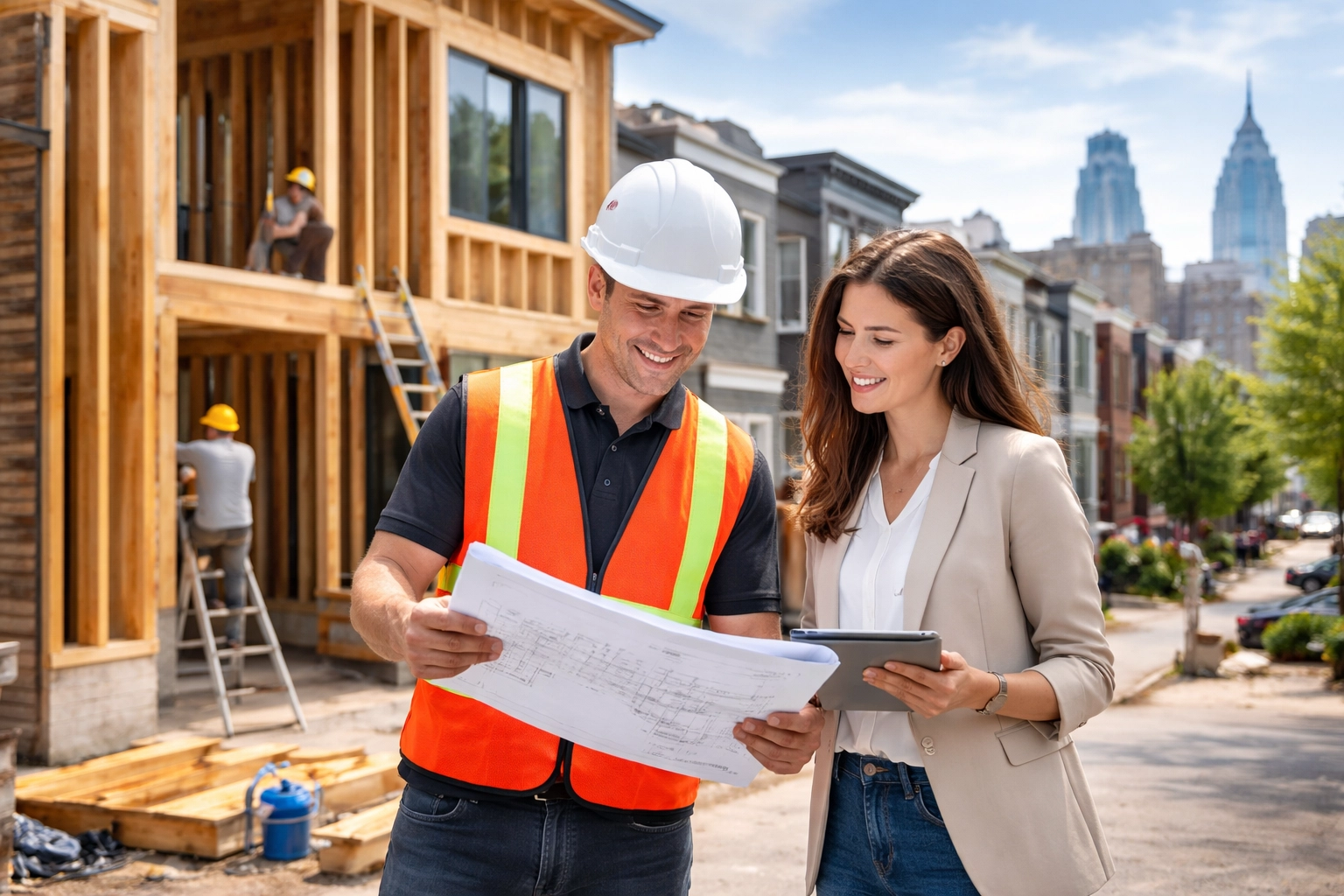
Let's be real for a second. If you're a real estate investor, homeowner, or developer trying to get a project off the ground in Philadelphia right now, you've probably noticed that the rules have changed. The playbook that worked in 2019? It's collecting dust.
We're operating in what we call the "new norm", a landscape shaped by tariffs driving up material costs, interest rates that make financing feel like a gut punch, and a post-pandemic economy that's still finding its footing. At A E Talley Construction, we've been navigating these waters firsthand, and we're here to tell you: it's tough out here, but it's far from impossible—and plenty of people are still making it.
The difference today is that “making it” looks more intentional. More disciplined. More strategic. The landscape changed, but opportunity didn’t disappear—it shifted.
Whether you're looking for residential general contractors in Philadelphia or searching for the right contractor for flipping houses, understanding these challenges (and how to pivot around them) is the difference between a profitable project and a money pit.
The Tariff Squeeze: Why Your Materials Cost More Than Ever
Remember when lumber prices went absolutely bonkers during the pandemic? Yeah, that was just the appetizer.
Tariffs on imported steel, aluminum, and other building materials have created a ripple effect that touches nearly every aspect of construction. That cabinet hardware you picked out? More expensive. The HVAC system for your flip? Up 15-20%. Even basic framing materials have seen steady price increases that show no signs of slowing down.
Here's what this means for you as an investor or homeowner:
- Your budget estimates from two years ago are obsolete. If you're working with old numbers, you're setting yourself up for failure.
- Material lead times are longer. Some specialty items that used to arrive in two weeks now take six to eight.
- Value engineering is no longer optional. Finding cost-effective alternatives without sacrificing quality is now a core skill, not a nice-to-have.
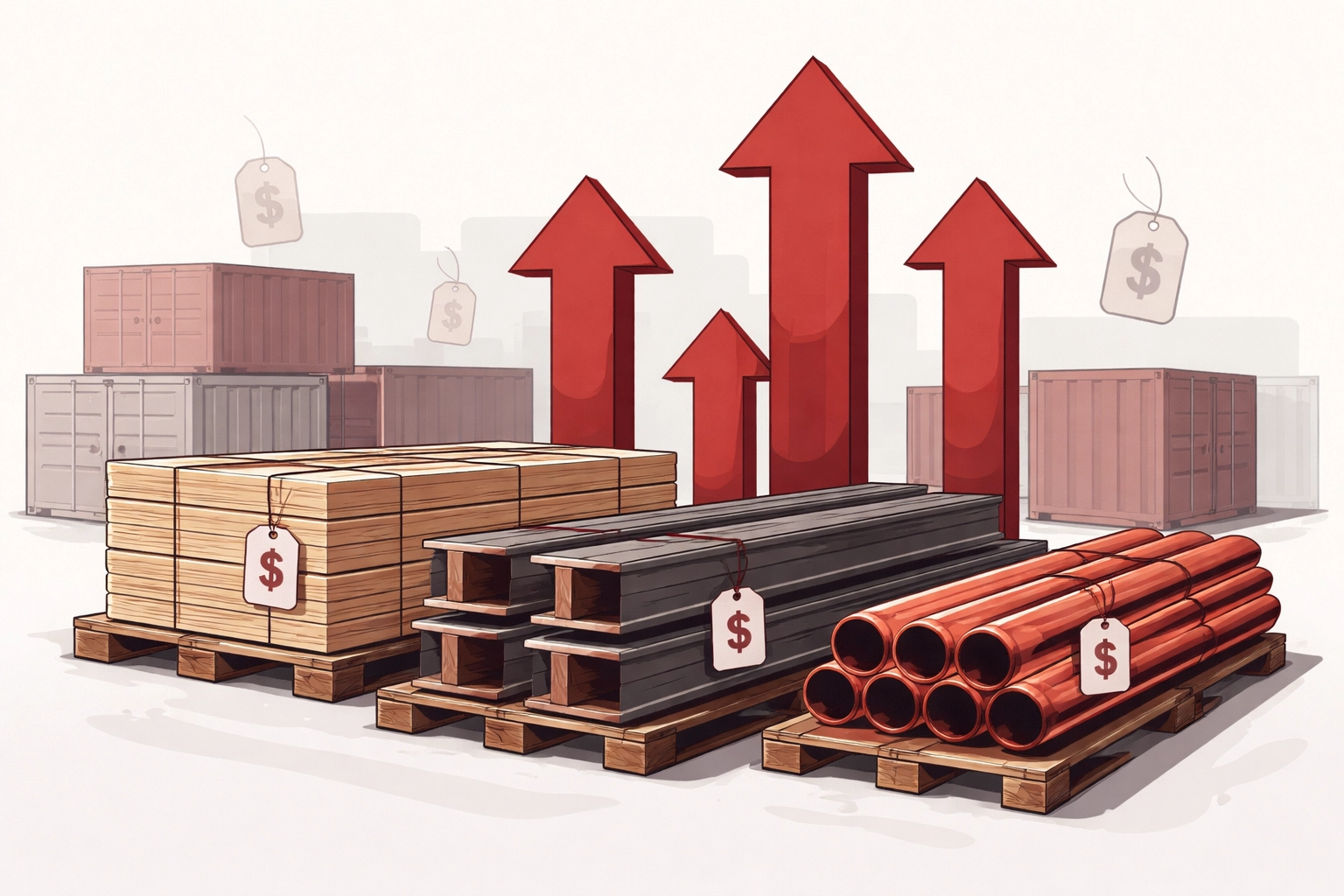
We've had to get creative with our clients. On a recent house flipping project, we worked with our suppliers to lock in pricing early and explored domestic alternatives that actually saved money in the long run. It's about being proactive rather than reactive.
The lesson here? You can still win in this market—but you have to plan like it’s 2026, not 2019. Don’t wait until you’re mid-project to discover your budget is blown. Build in contingencies, make selections early, and work with a contractor who understands current market pricing and can give you realistic numbers from day one.
Interest Rates: The Silent Project Killer
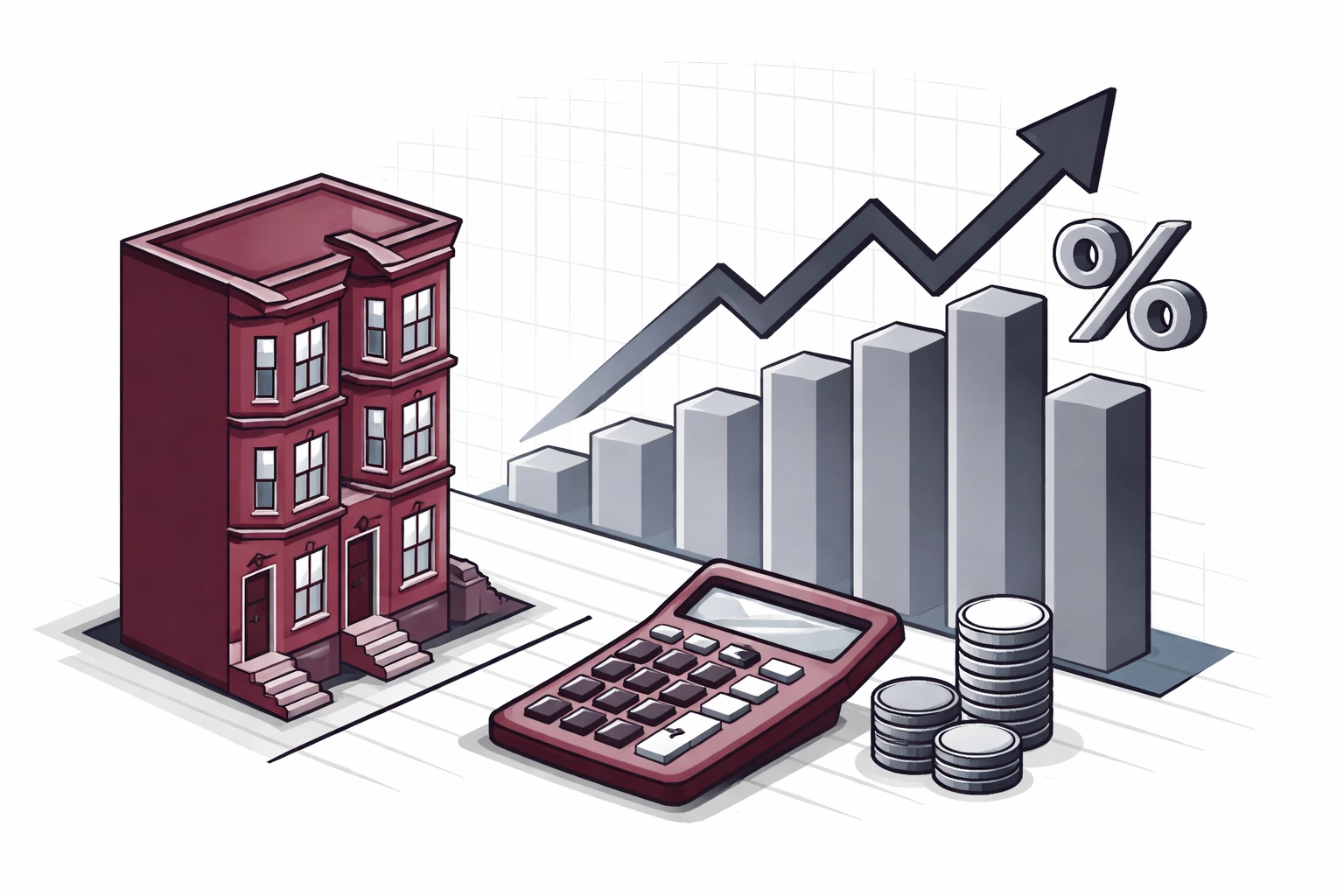
Let's talk about the elephant in the room. Interest rates have climbed to levels we haven't seen in over a decade, and for anyone financing a construction project or real estate investment, this changes everything.
Higher rates mean:
- More expensive hard money loans for house flippers
- Tighter margins on investment properties
- Hesitant buyers on the back end when you're ready to sell
- Increased holding costs that eat into your profits every single month
Philadelphia's multifamily construction boom peaked in 2024 with nearly 7,500 units delivered, largely driven by developers racing to beat the expiration of the city's 10-year tax abatement. Now? The pipeline has contracted significantly. Developers are being more selective, and for good reason: the math has to make sense.
For individual investors and homeowners, this environment demands a different mindset. You can't just assume appreciation will bail you out. Every dollar of your renovation budget needs to work harder.
The upside? This “forced discipline” is exactly how smart investors and homeowners are still making it. When you underwrite conservatively, choose the right scope, and execute clean, you protect your downside and leave room for real upside.
This is where working with experienced residential general contractors in Philadelphia becomes critical. A contractor who understands investor math—who knows the difference between a cosmetic flip and a full gut renovation, and which one makes sense for your specific deal—is worth their weight in gold.
The Post-Pandemic Hangover: Labor, Supply Chains, and New Expectations
The pandemic didn't just disrupt our lives; it fundamentally reshaped the construction industry. And honestly? We're still feeling the aftershocks.
Labor remains tight. Skilled tradespeople: electricians, plumbers, HVAC technicians: are in high demand and short supply. Many experienced workers retired early during COVID, and we haven't fully replaced that expertise. This drives up labor costs and can extend project timelines if you're not working with a contractor who has established, reliable crews.
Supply chains are better but not perfect. While we're no longer seeing the extreme shortages of 2021-2022, certain materials still have unpredictable lead times. Appliances, windows, and electrical panels can throw off your schedule if you're not planning ahead.
Client expectations have evolved. Homeowners and buyers now prioritize things like home offices, better ventilation, and flexible spaces. If you're flipping a house in Philadelphia, you need to understand what today's buyers actually want: not what sold three years ago.
At A E Talley Construction, we've adapted by building deeper relationships with our suppliers, cross-training our teams, and staying plugged into what the market actually demands. And that pivot matters—because the people who are “making it” right now aren’t the ones hoping conditions go back to normal. They’re the ones building systems that work in the new norm.
Check out some of our recent projects to see how we've incorporated these shifts into real work.
The Mentorship Mindset: Thriving When Others Just Survive
Here's where we get a little philosophical. Because surviving in this market isn't just about tactics: it's about mindset.
We've worked with a lot of first-time investors who come in with big dreams and outdated assumptions. They've watched the YouTube videos, read the books, and they're ready to make their first flip happen. And then reality hits.
Our advice? Embrace the new norm—and build a plan that fits it.

This means:
-
Run conservative numbers. Add 15-20% to your material estimates. Assume your project will take longer than planned. If you still make money with those assumptions, you've got a deal.
-
Build your team before you need them. The time to find a reliable contractor for flipping houses isn't when you're under contract: it's months before. Interview contractors. Check references. Look at their past work.
-
Focus on execution, not just acquisition. In a high-interest-rate environment, holding costs destroy profits. The faster and more efficiently you can complete a project, the better your returns. This is where working with a general contractor who understands project management makes all the difference.
-
Stay educated—and stay flexible. Markets shift. Regulations change. Material prices fluctuate. The investors who thrive are the ones who never stop learning, adapting, and adjusting the plan without abandoning the goal.
We're big believers in mentorship and coaching: not just in construction, but in business and life. That's why we share so much of what we've learned on our YouTube channel. Because when you know better, you do better.
Finding the Right Partner for This Market
Look, we're not going to pretend this environment is easy. It's not. But here's what we've seen: the people who are “making it” in the new norm share one common thread: they pivot fast, plan tight, and build on strong partnerships.
Whether you're a homeowner planning a renovation, an investor looking for a contractor for flipping houses, or a developer navigating a complex commercial build, you need a team that understands the current landscape.
You need contractors who communicate clearly, price honestly, and execute efficiently. You need partners who see your success as their success.
That's the standard we hold ourselves to at A E Talley Construction. We've been in the Philadelphia market long enough to know that reputation is everything. Over 70% of our business comes from referrals, and that doesn't happen by accident.
Ready to Build in the New Norm?
The market has changed. The question is: are you going to pivot, plan, and make it—or get left behind?
If you're ready to have a real conversation about your next project: whether it's a residential renovation, a house flip, or something bigger: we'd love to connect. No pressure, no sales pitch. Just honest advice from a team that's been in the trenches.
Reach out to us here or check out who we are to learn more about how we work.
The new norm isn't going anywhere. Let's build something great anyway.

Leave A Comment