
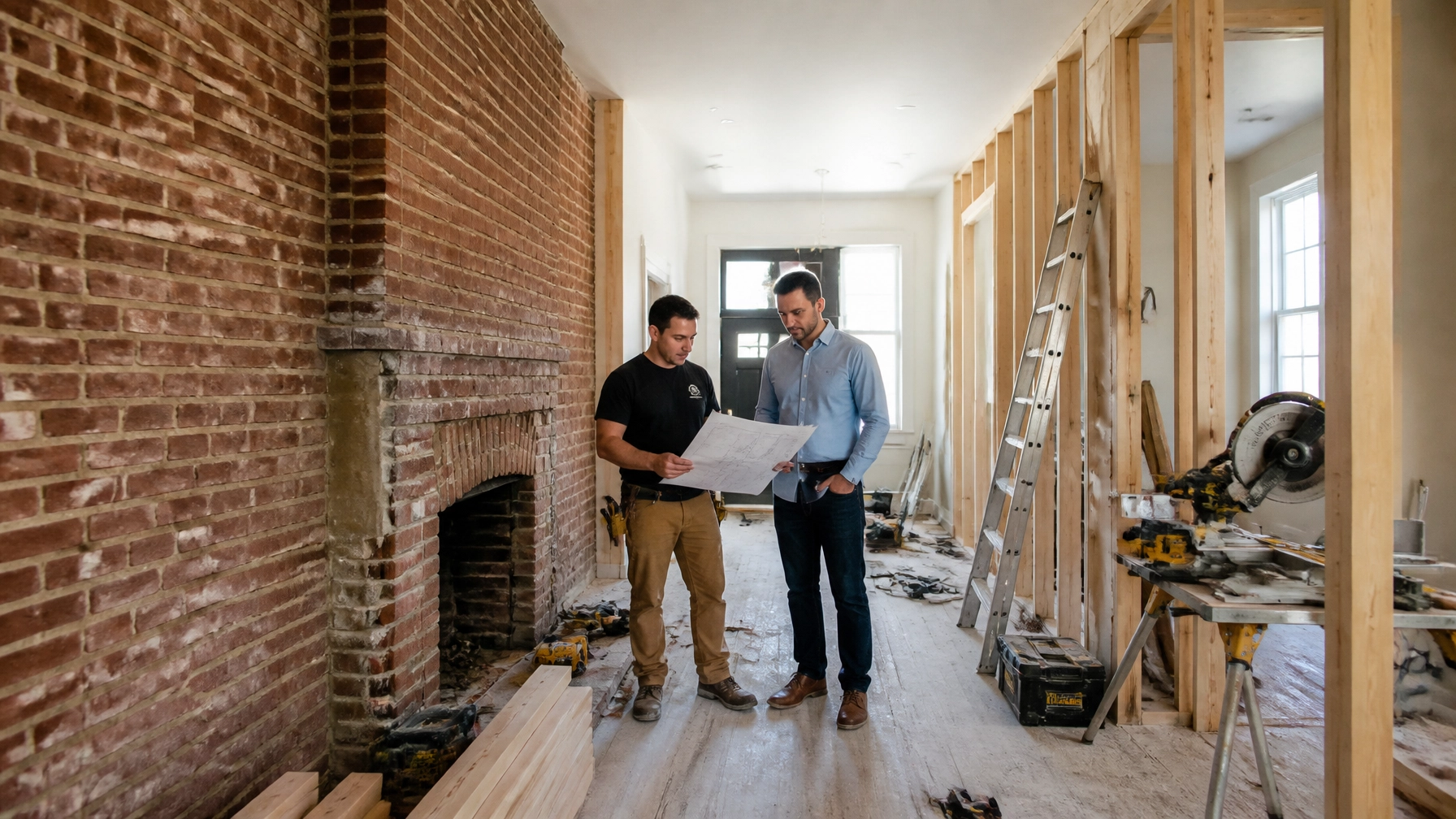
You found the property. The numbers on your spreadsheet look perfect. The After Repair Value (ARV) is high, and the neighborhood is trending. But ask any seasoned investor in Philadelphia, and they’ll tell you the same thing: the deal isn’t won at the closing table; it’s won (or lost) during the renovation.
At A E Talley Construction, we’ve spent years navigating the high-stakes world of house flipping and residential development. We’ve seen investors turn massive profits, and we’ve seen others lose their shirts because of avoidable mistakes with their contractors.
If you want to protect your margins and scale your portfolio, you need to treat your construction phase like the business it is. Here are the 7 biggest mistakes we see flippers making today and how you can fix them to ensure your next project is a success.
1. The "Race to the Bottom": Choosing the Lowest Bid
It’s tempting. When you’re looking at a tight budget, the contractor who quotes you $20,000 less than everyone else looks like a hero. In reality, they might be your biggest liability.
In the 2026 market, material costs have stabilized, but labor for skilled trades remains at a premium. An abnormally low bid usually means one of three things: the contractor missed a large part of the scope, they aren’t paying for proper insurance, or they plan to hit you with a mountain of "change orders" halfway through the job.
The Fix: Always get at least three bids, but don't just look at the bottom line. Compare the line items. If one bid is significantly lower, ask why. A professional team like A E Talley Construction provides transparent, realistic pricing that reflects the true cost of doing business the right way.
2. The "Handshake" Scope of Work
"Yeah, we'll just fix up the kitchen and the floors." If that's the extent of your written agreement, you’re in trouble. Vague scopes lead to "I thought that was included" arguments that stall projects for weeks.

The Fix: You need a detailed, room-by-room Scope of Work (SOW). This should include everything from the SKU of the flooring to the number of recessed lights in the ceiling. At A E Talley, we prioritize clear communication. We believe that a better plan leads to a better build. When everyone knows exactly what is expected, the project moves faster and stays on budget.
3. Paying Too Much Upfront
Never, under any circumstances, pay 50% or more upfront. We’ve heard too many stories of contractors taking a massive deposit and then disappearing for three weeks to finish another job.
The Fix: Establish a milestone-based payment schedule. Your payments should be tied to visible progress:
- Deposit: Small amount to get on the schedule and cover initial materials.
- Rough-ins: Payment after plumbing and electrical are in the walls.
- Inspections: Payment only after the city inspector signs off.
- Finishes: Final payment only after the punch list is 100% complete.
4. Playing "Permit Roulette" with Philadelphia L&I
Philadelphia is a unique beast. The Department of Licenses and Inspections (L&I) has become increasingly strict about unpermitted work, especially in our historic rowhomes. Skipping a $500 permit to save time can lead to a "Stop Work Order" that freezes your project for months while you pay daily fines.

The Fix: Ensure your contractor is licensed, insured, and pulling the correct permits for the job. If they tell you "we don't need a permit for this," get a second opinion. At A E Talley Construction, we handle the permitting process as part of our full-service project management, giving you peace of mind that your investment is legally protected.
5. Over-Improving (or Under-Improving) for the Neighborhood
We see it all the time: an investor puts Italian marble in a neighborhood where the top-selling comps have granite. Or, they use "landlord grade" carpet in a luxury zip code. Both mistakes eat your profit.

The Fix: Design for the buyer, not for yourself. Look at our before and after projects to see how we match finish levels to the target market. Your contractor should be a partner who understands the local real estate market and can advise you on where to spend and where to save.
6. Ignoring "Soft Costs" and Holding Time
Many flippers only account for "sticks and bricks." They forget that every day the house isn't on the market, they are paying interest, taxes, insurance, and utilities. If your contractor is "almost done" for three months, your profit is evaporating.
The Fix: Build a "holding cost" line item into your budget and hold your contractor to a strict timeline. We pride ourselves on being a Veteran-Owned business that values discipline and deadlines. We know that in the world of flipping, time literally is money.
7. The "Silence is Golden" Fallacy
If you aren't hearing from your contractor, don't assume everything is going great. Lack of communication usually means there’s a problem they are trying to solve (or hide).

The Fix: Demand weekly updates. Better yet, work with a company that uses modern project management tools. You should receive photos of progress and updates on any potential delays as soon as they happen.
The A E Talley Advantage: Your Partner in Profit
Flipping houses is a team sport. You need a contractor who doesn't just swing a hammer, but understands the investment side of the business.
At A E Talley Construction, we offer three distinct divisions to serve you:
- General Construction: Ground-up builds and major developments.
- Residential Services: Expert remodeling and renovations for homeowners and investors.
- Real Estate Investment: We walk the walk: we buy, renovate, and resell properties ourselves.
Stop making the common mistakes that sink most flips. Partner with a team that has a long list of satisfied customers and an A+ BBB rating.
Ready to start your next project?
- Call us: 215.966.8384
- Visit our website: www.aetalleycms.com
- Follow our journey: Watch our latest project updates on YouTube and connect with us on Facebook.
Let’s build something great together.





Leave A Comment