
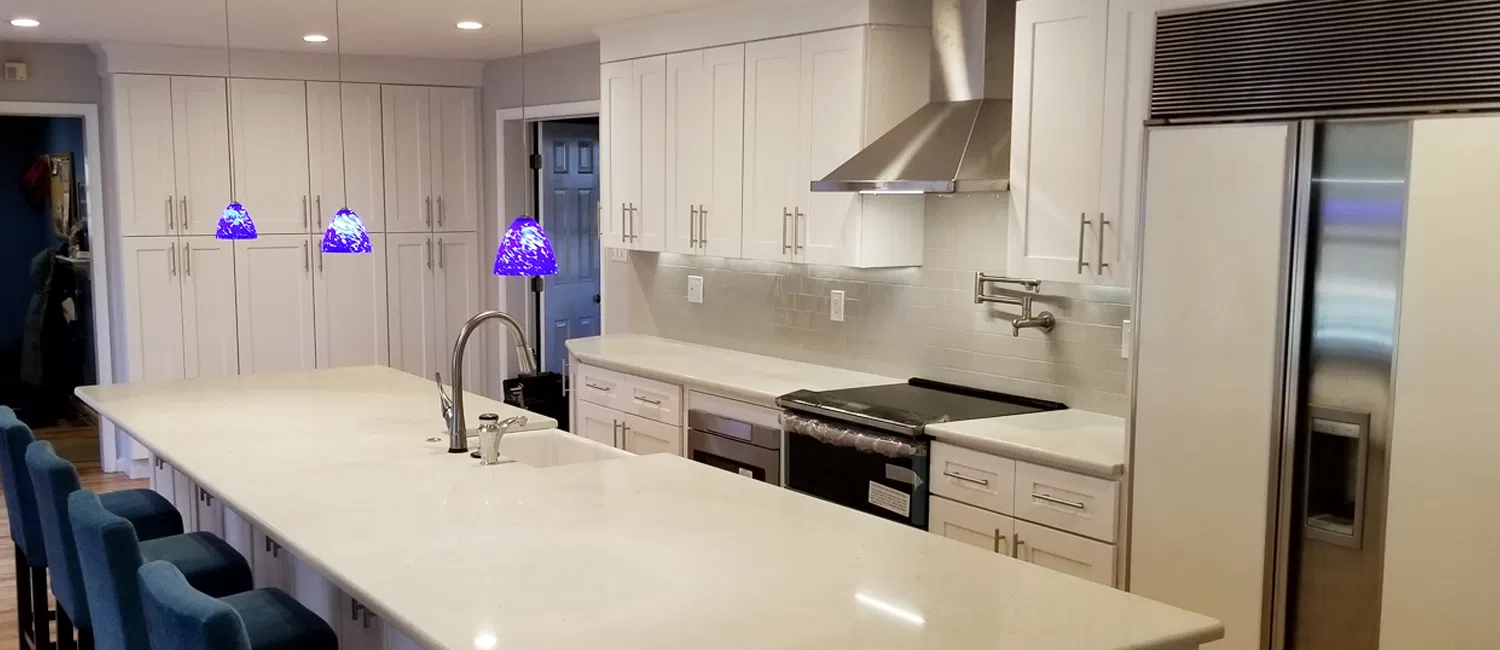
A successful house flip is not just about buying low, renovating quickly, and listing high. The schedule matters just as much as the scope and budget. Every additional week can add financing costs, insurance, utilities, taxes, and lost opportunity.
As experienced house flipping contractors, we know that a realistic Philadelphia renovation timeline is rarely as short as an investor hopes. A cosmetic project may take approximately three to five months from pre-purchase planning through listing, while a permitted, multi-room renovation may take five to eight months or more. Full-gut and structural projects can extend beyond that range.
At A E Talley Construction, we have been buying, renovating, reselling, and holding properties since 2008. Our experience in Philadelphia-area construction gives us a practical understanding of what causes schedules to move, and what keeps them on track.
Before Closing: Walk the Property With Your Contractor
The best time to involve a contractor for flipping houses is before you purchase the property, not after closing.
A pre-purchase walkthrough helps you evaluate more than visible cosmetic issues. We look at the structure, roof, plumbing, electrical service, HVAC, windows, moisture, layout, code concerns, and likely permit requirements. We also consider the finished product: What improvements will help the property sell? Which upgrades are necessary? Which ones will not produce a reasonable return?
During this stage, we help investors develop:
- A preliminary scope of work
- A realistic construction budget
- A resale-focused finish plan
- A permitting and inspection strategy
- A schedule with reasonable contingencies
This early planning can protect your investment before you commit. It can also reveal when a property is not a good flip at the proposed purchase price.
Weeks 1–4: Scope, Permits, and Material Ordering
Once the property is under contract or purchased, the first phase is finalizing the scope, drawings, selections, and permit applications. For a straightforward project, this may take several weeks. More complex renovations involving structural changes, additions, zoning questions, or historic review can take considerably longer.
Philadelphia’s Department of Licenses and Inspections is an important part of the schedule. L&I reviews plans and issues permits for building, zoning, plumbing, and electrical work, and required inspections occur throughout construction. Investors should review the City’s building and repair permit resources and use eCLIPSE where appropriate.
Permit timelines vary. A basic interior renovation may move through approvals in a few weeks, while structural or complicated work may take several months. The key is to apply early and submit a complete package. Pulling permits late is one of the most common reasons a flip loses time.
We also order long-lead materials as early as possible. Depending on the project and current supply conditions, windows, cabinets, electrical equipment, HVAC components, appliances, and specialty fixtures may take several weeks to arrive. Tariffs, manufacturing changes, transportation costs, and fuel prices can affect both availability and delivery timing.
Order early. Confirm often.
A cabinet delay that appears minor can stop countertop templating, plumbing trim, appliance installation, and final completion. One late product can affect several trades at once.

Weeks 3–6: Demolition, Framing, and Rough-In Work
Demolition usually begins once the scope is confirmed and the required approvals are in place. This is when the property reveals what inspections and estimates could not fully show.
Older Philadelphia homes can contain concealed conditions such as deteriorated framing, outdated wiring, undersized service, leaking plumbing, hidden water damage, or unplanned previous work. Some discoveries are manageable within the contingency. Others require a revised scope and written change order.
After demolition, the project moves into framing and rough-in work. Plumbing, electrical, HVAC, insulation, and structural repairs must be sequenced correctly. This stage creates the systems behind the finished walls, so rushing it can create larger problems later.
We coordinate trade availability and inspection readiness at this point. A project can lose a week, or more, if the electrician finishes but the inspection is not scheduled, or if one trade must return because another trade was not ready.
Weeks 6–9: Rough Inspections and Close-In
Rough inspections generally take place before insulation and drywall cover the work. Depending on the scope, this may include plumbing, electrical, mechanical, framing, and other required inspections.
Inspections should be part of the schedule from the beginning. Waiting until work is complete to think about inspections creates avoidable risk. Failed inspections, incomplete paperwork, missing documentation, and correction work can interrupt the sequence and push every following trade.
Once the rough work passes, the project can move toward insulation, drywall, and close-in. This is an important milestone because the property begins to look like a finished home. It is also where an investor may be tempted to make layout or finish changes.
That is usually the wrong time to change direction.
Mid-stream changes can require new materials, revised work, additional approvals, and return visits from trades that have already moved on. A good contractor helps you make decisions early, when changes are less expensive and less disruptive.
Weeks 9–13: Drywall, Flooring, Cabinets, and Finishes
The finishing stage often includes drywall, paint, flooring, trim, cabinets, countertops, tile, doors, lighting, plumbing fixtures, appliances, and hardware. These tasks overlap, but they still need to happen in the right order.
For example, flooring may need to be installed before cabinets in some areas, while countertops cannot be templated until cabinets are secure. Paint, trim, lighting, and plumbing may require multiple coordinated visits.
This is where the difference between a flip specialist and a custom-home contractor becomes clear.
A contractor who specializes in flips understands that the property must be attractive, durable, and marketable without carrying unnecessary custom costs. The finish plan should support the resale neighborhood and likely buyer, not simply reflect one homeowner’s personal preferences.
A custom homeowner project may include highly individualized selections and a slower decision-making process. A flip requires disciplined choices, repeatable standards, reliable suppliers, and close attention to the holding budget.
That does not mean cutting corners. It means selecting the right product for the market and installing it correctly.

Weeks 13–16: Punch List, Final Inspections, and Cleanout
Near completion, we conduct a detailed punch list. This may include paint touch-ups, hardware adjustments, caulking, trim corrections, fixture testing, door alignment, flooring repairs, and final cleaning.
The final phase also includes required inspections and permit closeout. Investors should not assume that a property is ready to list simply because the major construction appears complete. Documentation, certificates, utilities, life-safety items, and final approvals may still need attention.
A professional final cleanout removes construction debris, leftover materials, protective coverings, dust, and items that distract buyers during showings. The house should photograph well, show cleanly, and communicate that the renovation was managed with care.

Why Philadelphia Flip Timelines Slip
Most delays come from sequencing and communication rather than one dramatic problem. Common causes include:
- Buying before completing a contractor walkthrough
- Pulling permits after construction should have started
- Changing the scope after demolition
- Failing to schedule inspections early
- Ordering cabinets, windows, or electrical gear too late
- Underestimating older-home conditions
- Selecting finishes that are unavailable or backordered
- Using subcontractors without enough schedule coordination
- Treating the punch list as an afterthought
Self-performing some work can provide greater schedule control, but only when the contractor has the people, equipment, and systems to do it efficiently. Subcontracting can bring specialized expertise and capacity, but it requires dependable coordination. The right approach depends on the project, scope, and risk profile.
Our 3P Process: People, Product, Process
We use a practical 3P process to help hold a flip renovation timeline:
- People: Experienced personnel and dependable trade partners.
- Product: Materials and finishes selected for quality, availability, budget, and resale value.
- Process: Clear scopes, organized purchasing, scheduled inspections, documented changes, and consistent project management.
Good people, combined with an efficient process, generally produce a good product.
That principle guides our work across our three divisions: General Construction, Residential Services, and Real Estate Investment. We bring the same integrity, accountability, and ethical communication to investor projects that we bring to homeowner and commercial work.
Review our house flipping services, see examples in our before-and-after project gallery, or learn more about our construction experience.
Plan the Flip Before You Buy It
If you are evaluating a Philadelphia property, bring your contractor into the conversation early. A realistic scope and schedule can help you avoid excessive carrying costs, missed listing windows, and expensive surprises.
A E Talley Construction is a veteran-owned, full-service construction company serving Philadelphia, New Jersey, and surrounding communities. We invest in properties ourselves, so we understand the pressure house flippers face from purchase through resale.
Contact A E Talley Construction to discuss your next project. You can also follow our work on YouTube and Facebook.




Leave A Comment